Dreamforce 2026 wrapped up this week in San Francisco (September 15–17), where this year's theme, "Becoming an Agentic Enterprise," set the stage for the event's headline announcement. On the opening keynote, Salesforce Chair and CEO Marc Benioff unveiled AIforce, a new "live interface layer" that Salesforce is building on top of its core platforms: Agentforce, Data 360, and Customer 360.
We spent the past few days going through the keynote coverage and early reactions from the Salesforce ecosystem. Here's what AIforce actually is, and why it's worth your attention.
What is AIforce?
In simple terms, AIforce is a layer that sits above Salesforce's existing products rather than replacing them. Salesforce frames it as the fourth pillar of its Agentic Enterprise architecture, joining Data 360, Customer 360, and Agentforce, extending that same foundation to any AI interface instead of keeping it locked inside Salesforce's own screens. Instead of logging into the traditional Salesforce interface to work with your CRM data, agents, and workflows, AIforce is designed to let that same intelligence surface inside custom-built interfaces or third-party applications. What changes is where and how people reach them. As Benioff put it on stage, "AI is creating an interface revolution."
It didn't arrive in isolation. The same week brought open beta access to Claudeforce, Salesforce's expanded partnership with Anthropic; Slackforce, a deeper integration between Slack and the agent layer; and continued momentum behind Agentforce Coworker, with staffing group Adecco announcing a rollout across more than 40 countries. Taken together, these releases point in one direction: Salesforce wants its AI and data capabilities to be something you build with, not just something you log into.
Why Salesforce AIforce Matters
For most of Salesforce's history, "using Salesforce" meant working inside Salesforce's own screens. AIforce is a step toward decoupling the platform's intelligence from its interface, or as Patrick Stokes, Salesforce's president of applications and marketing, put it, letting companies "break free of a shared user interface." That shift matters most for organizations building their own customer-facing tools, portals, or internal systems that need to tap into CRM and agent data without forcing every user into a new login.
Salesforce also used the keynote to share adoption numbers: more than 30,000 customers are reportedly now live on the Agentforce platform, with billions of agent-driven actions completed to date. Industry coverage of the keynote noted it was light on brand-new product reveals and heavier on live customer demonstrations. That's a sign that Salesforce's current priority is proving measurable ROI from what it has already shipped, rather than adding another layer of announcements on top.
What This Means if You're Already Running Salesforce
Nothing about AIforce requires immediate action. Rollout details, pricing, and general availability are still becoming clear, and the practical impact will depend heavily on your existing setup. But it's a useful signal of direction: Salesforce's architecture is moving further toward agents and interfaces that can live anywhere, not just inside Salesforce.com. Combined with Salesforce's decision, just days before Dreamforce, to bring back familiar names like Sales Cloud and Service Cloud, the message is consistent even if the branding keeps shifting: the underlying agent-first architecture keeps deepening, regardless of what it's called this quarter.
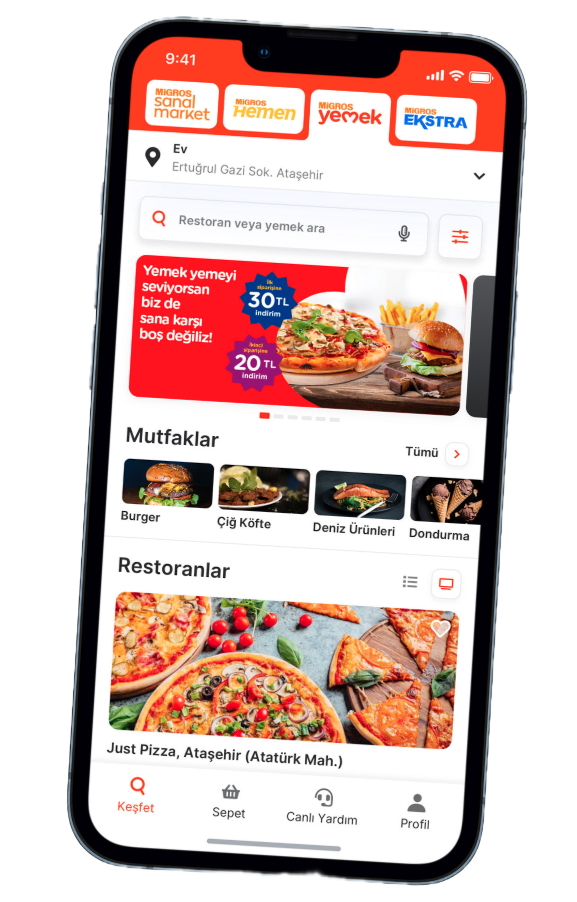
We've seen this principle in production. For Migros (one of Türkiye's largest retail groups, with nearly 3,800 stores), we built a post-purchase service experience directly inside the Migros Super App: Einstein Bot, and later Agentforce 360, handle return and product-issue requests right where customers already are, without a separate login or a call to the contact center.
What makes it work is the same thing AIforce is trying to standardize at the platform level: the agent doesn't just parse language, it checks that language against real order data. If a customer writes "the chocolate I bought yesterday was spoiled" but the item on their order was actually a banana-flavored wafer, Agentforce 360 can still identify the correct product from the order context, because it's reasoning over live transaction data, not just the words in the message.
Today the shared Service Cloud architecture behind this (spanning Migros Sanal Market, Migros Yemek, Migros Hemen, Mion, and Macroonline) handles roughly 500,000 chats and 300,000 support tickets a month.